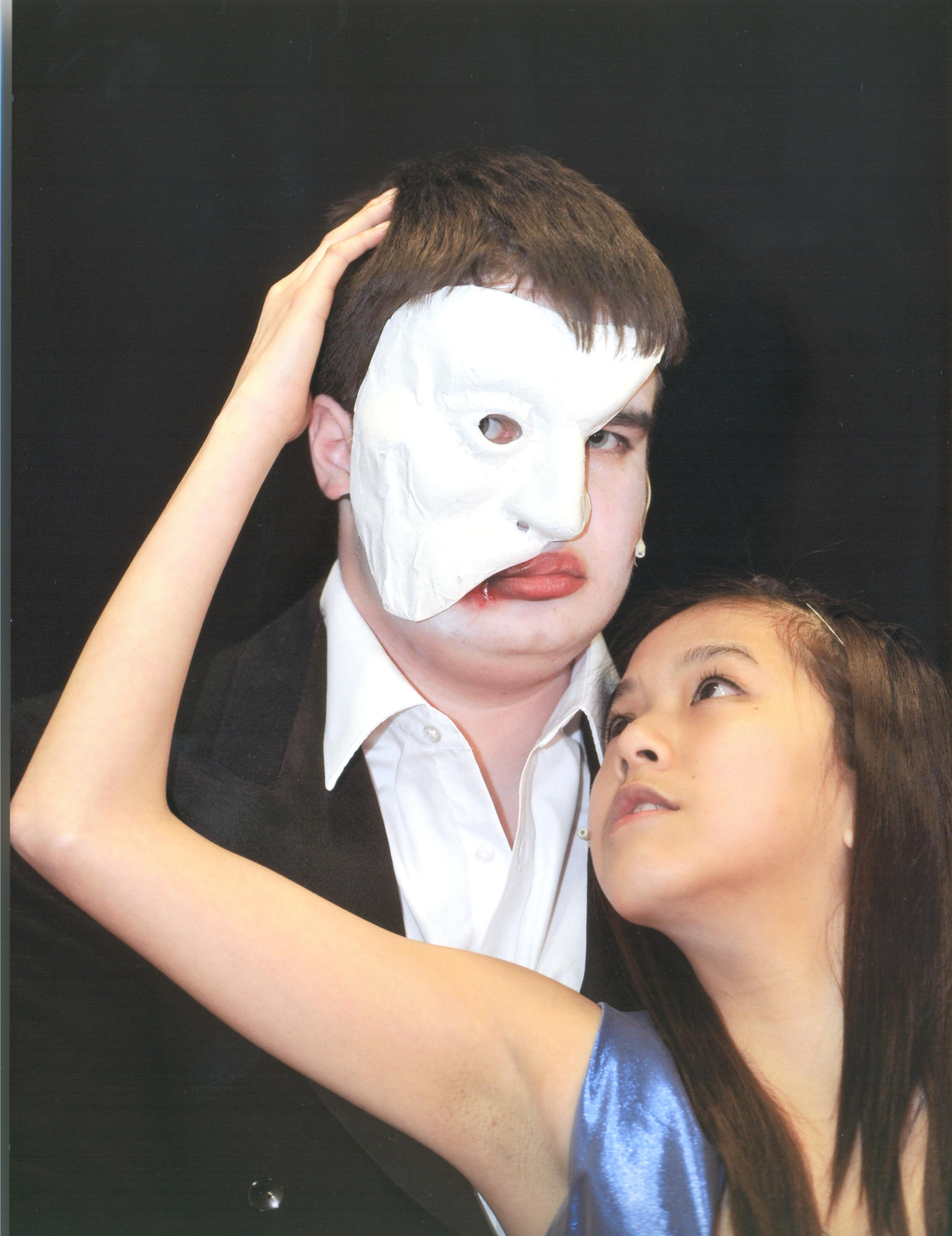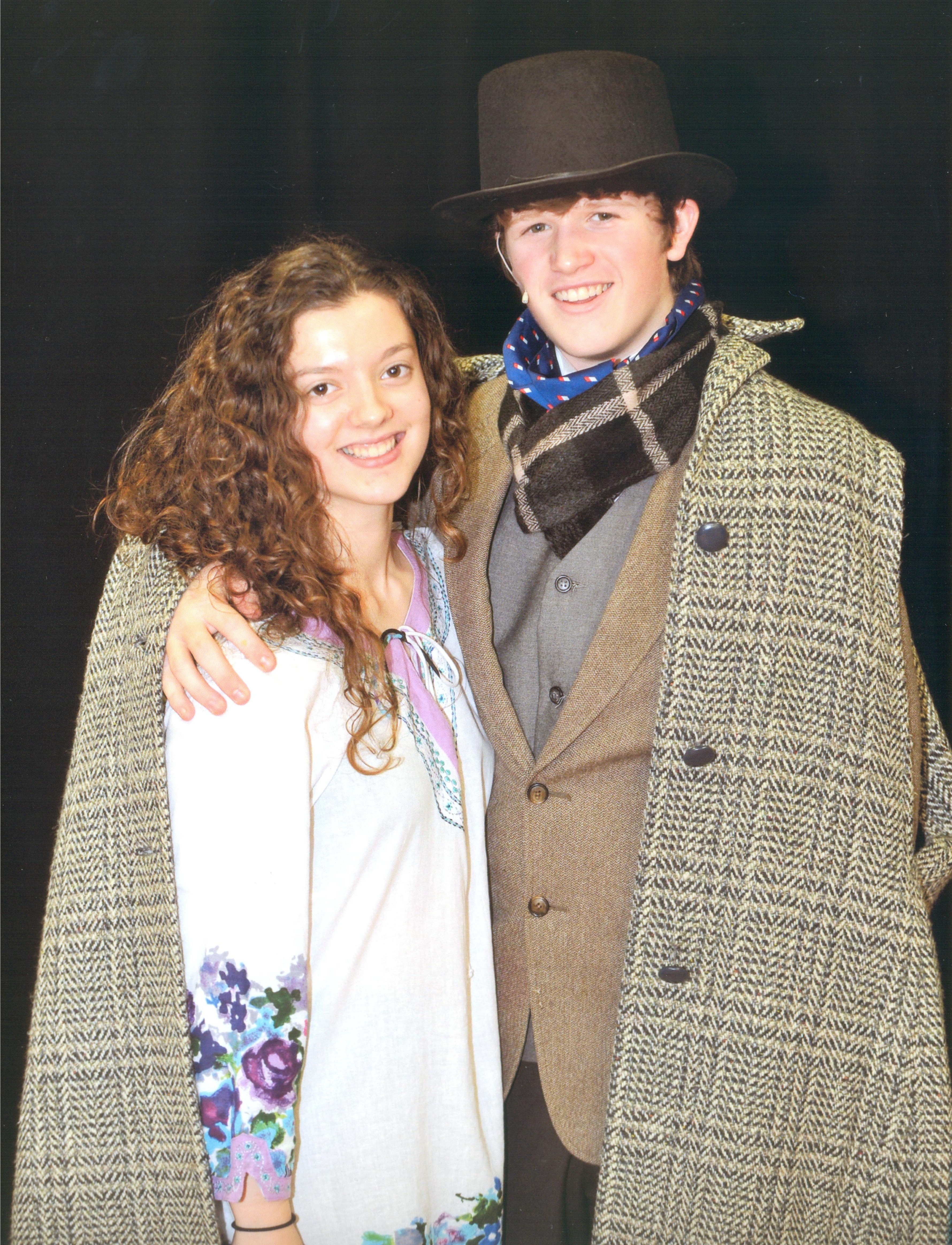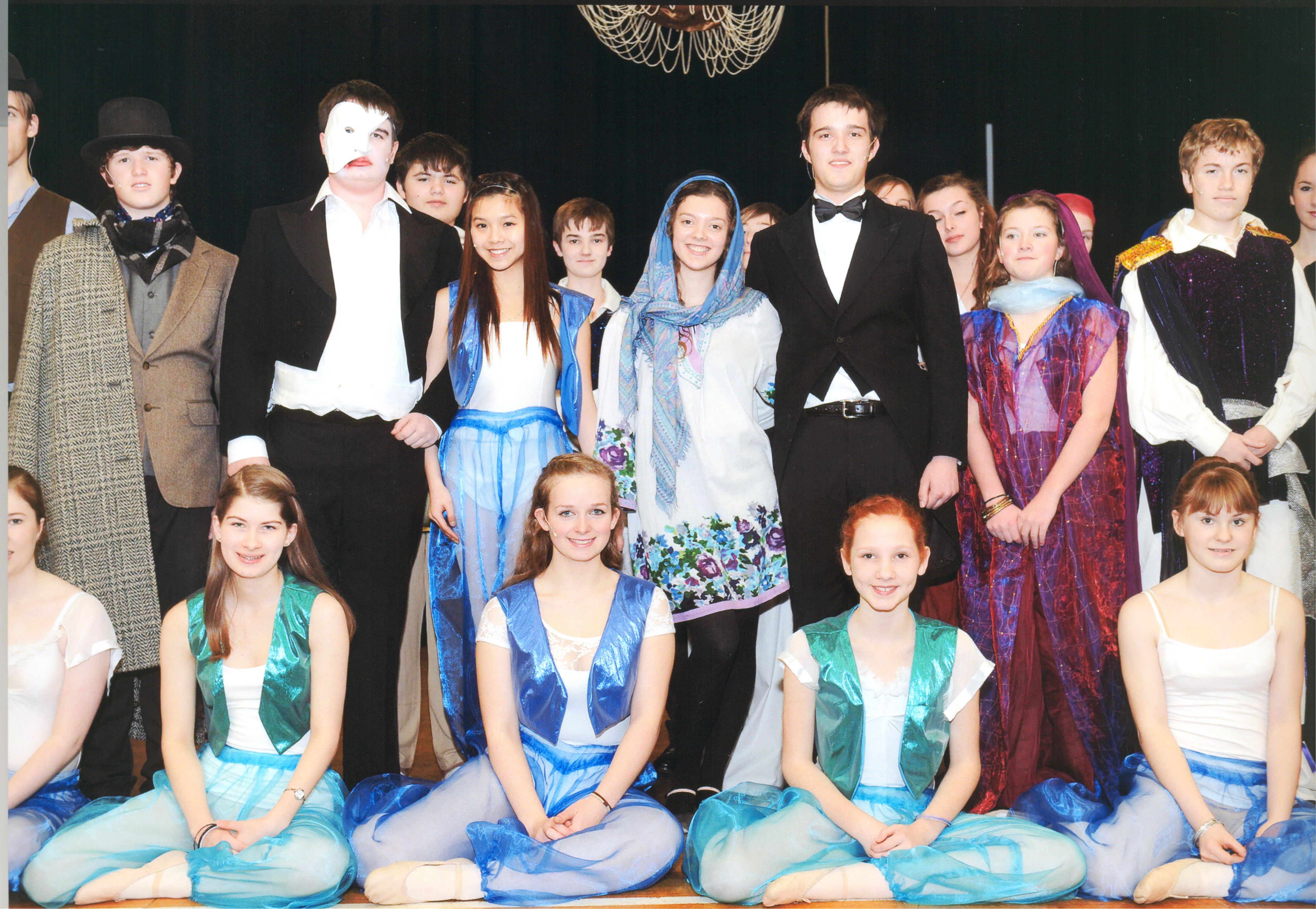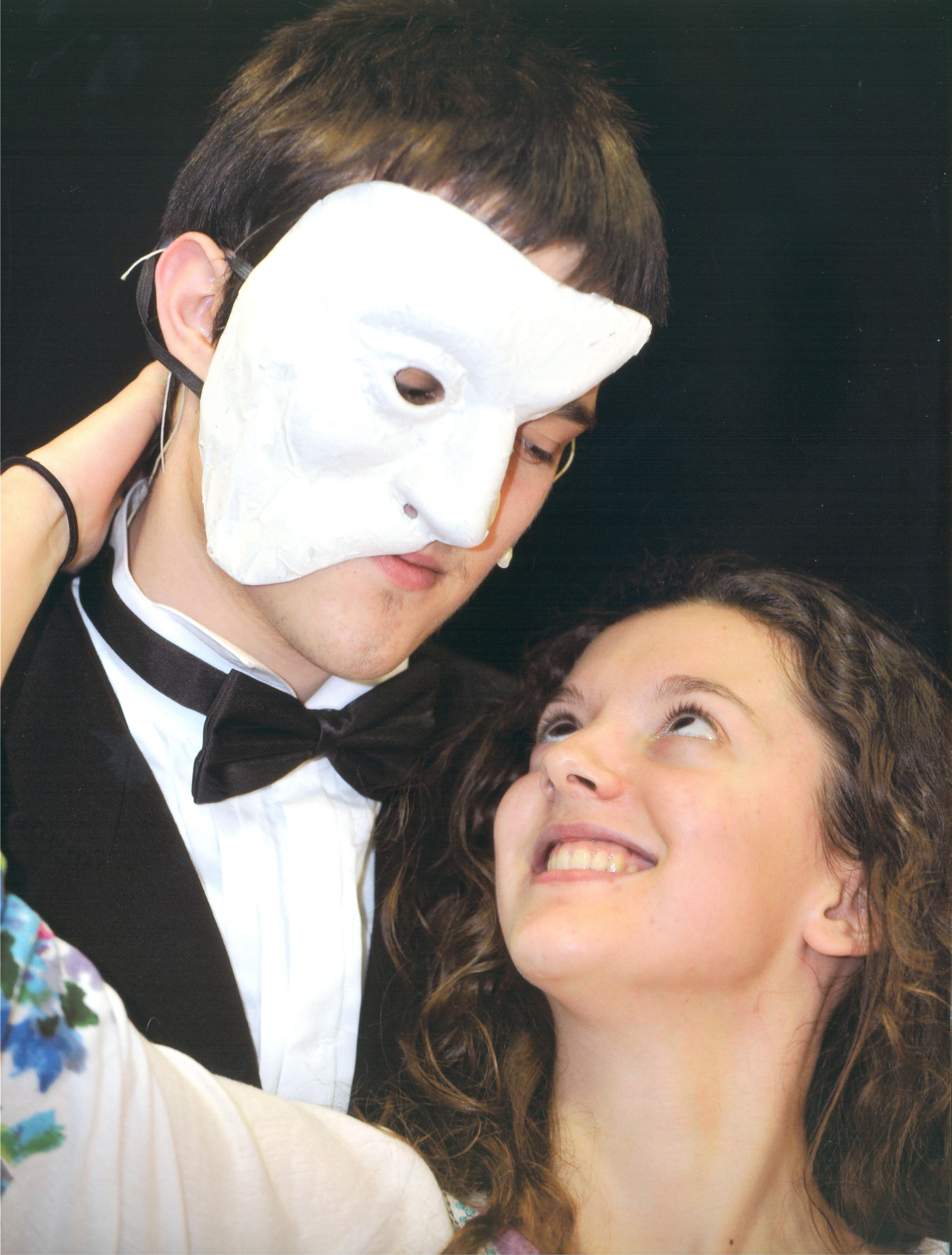
2013: Phantom of the Opera
Directing the Musical
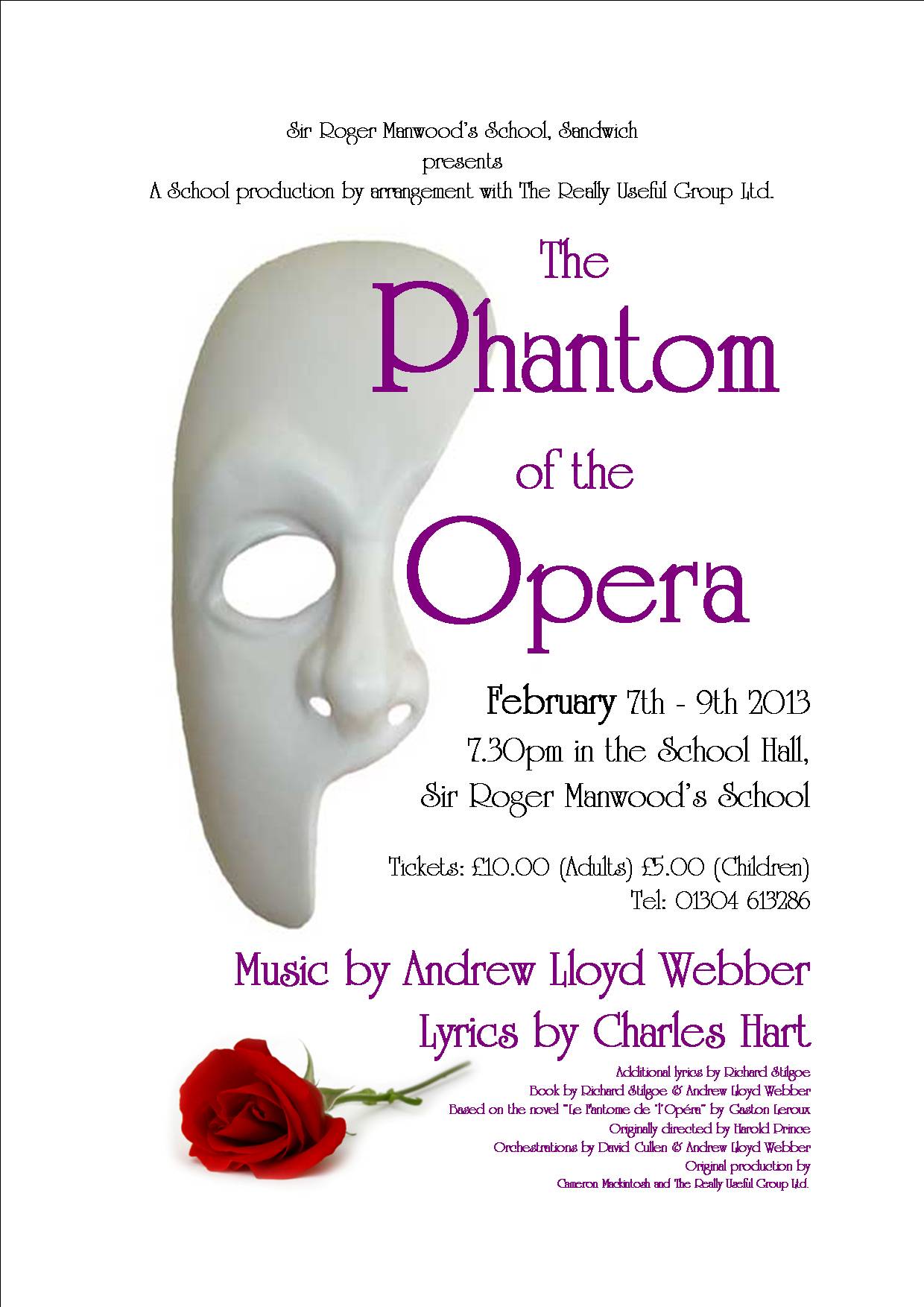
In December 2012 my sleep patterns grew ever more disturbed as the performance dates for The Phantom of the Opera of the 7th, 8th and 9th February loomed ever closer. This first week in February appeared in my mind as a treacherous loose slope above which there reared un-scalable vertical cliffs. December 21nd 2012 - the widely publicised date of the destruction of the world according to the Mayan calendar - did indeed offer a welcome possibility of escape, but sadly this day dawned and finally ended without incident. My fate was sealed.
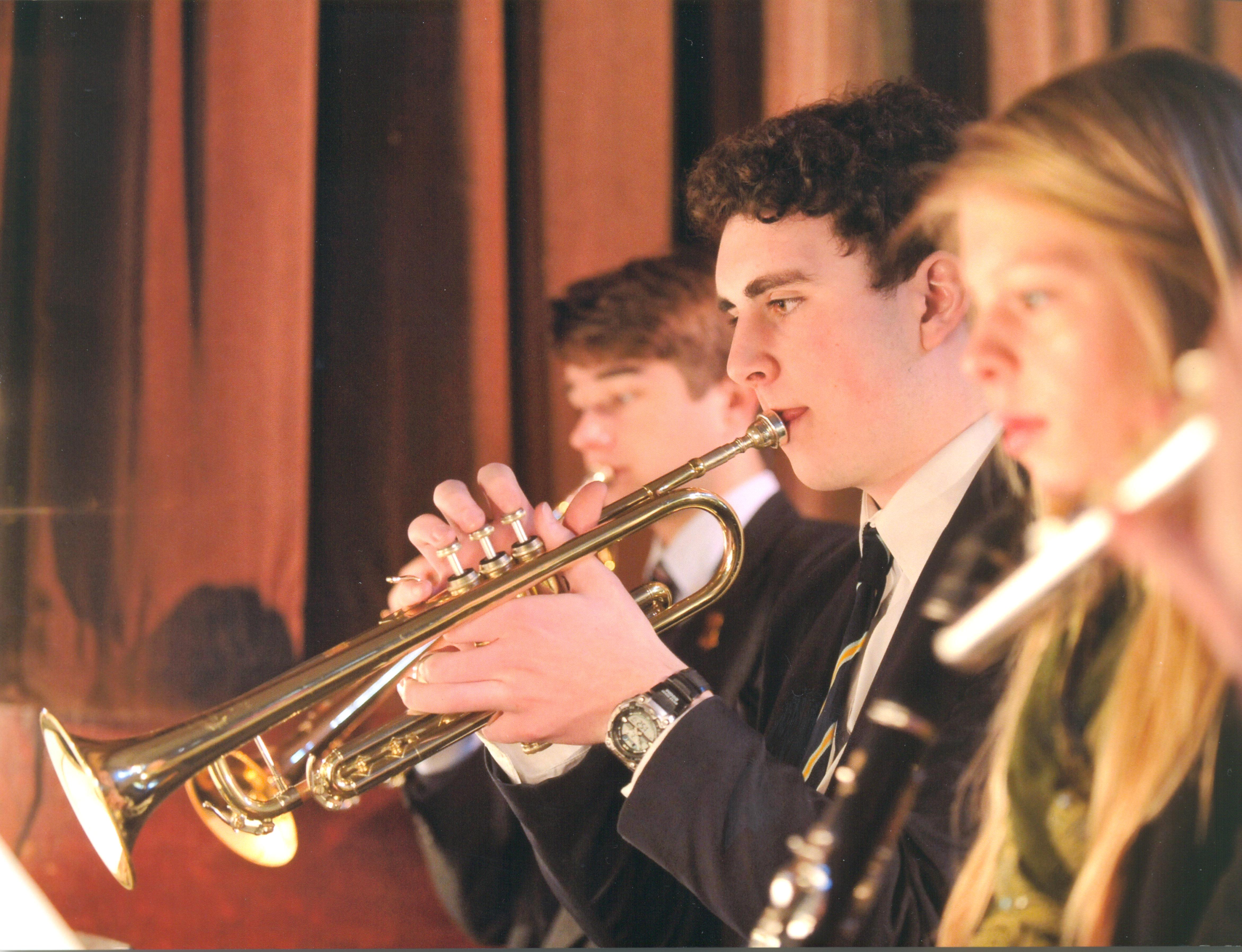
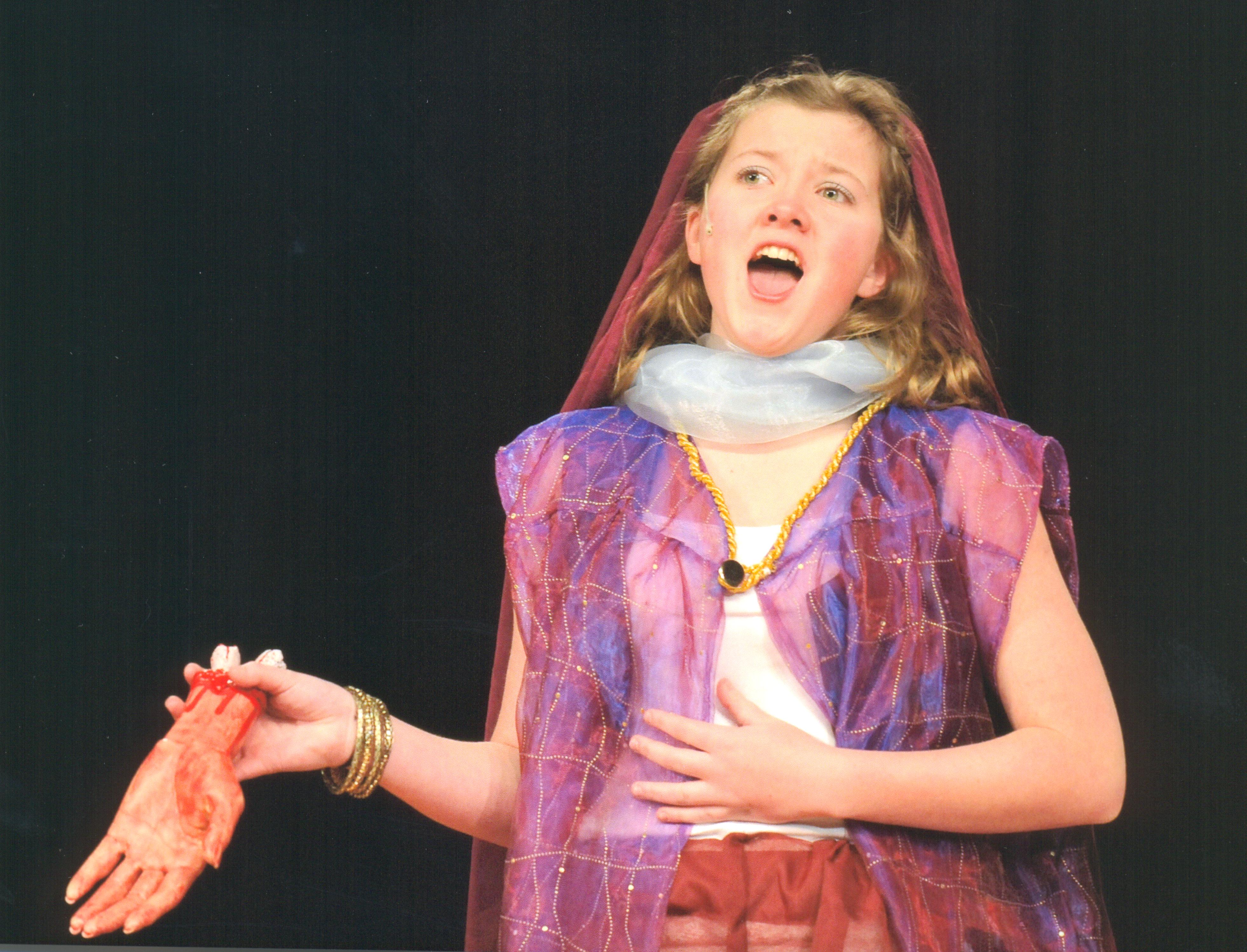
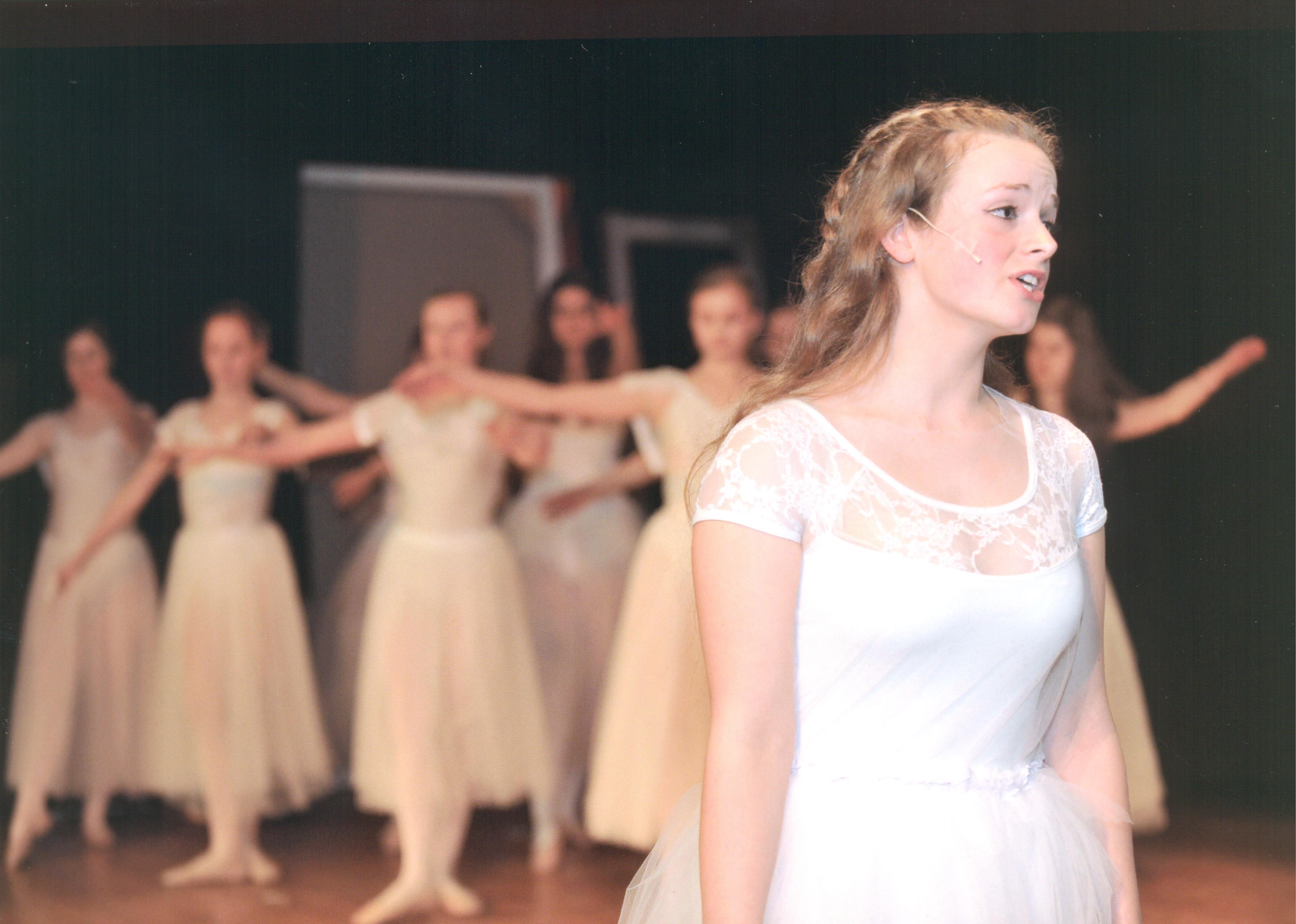
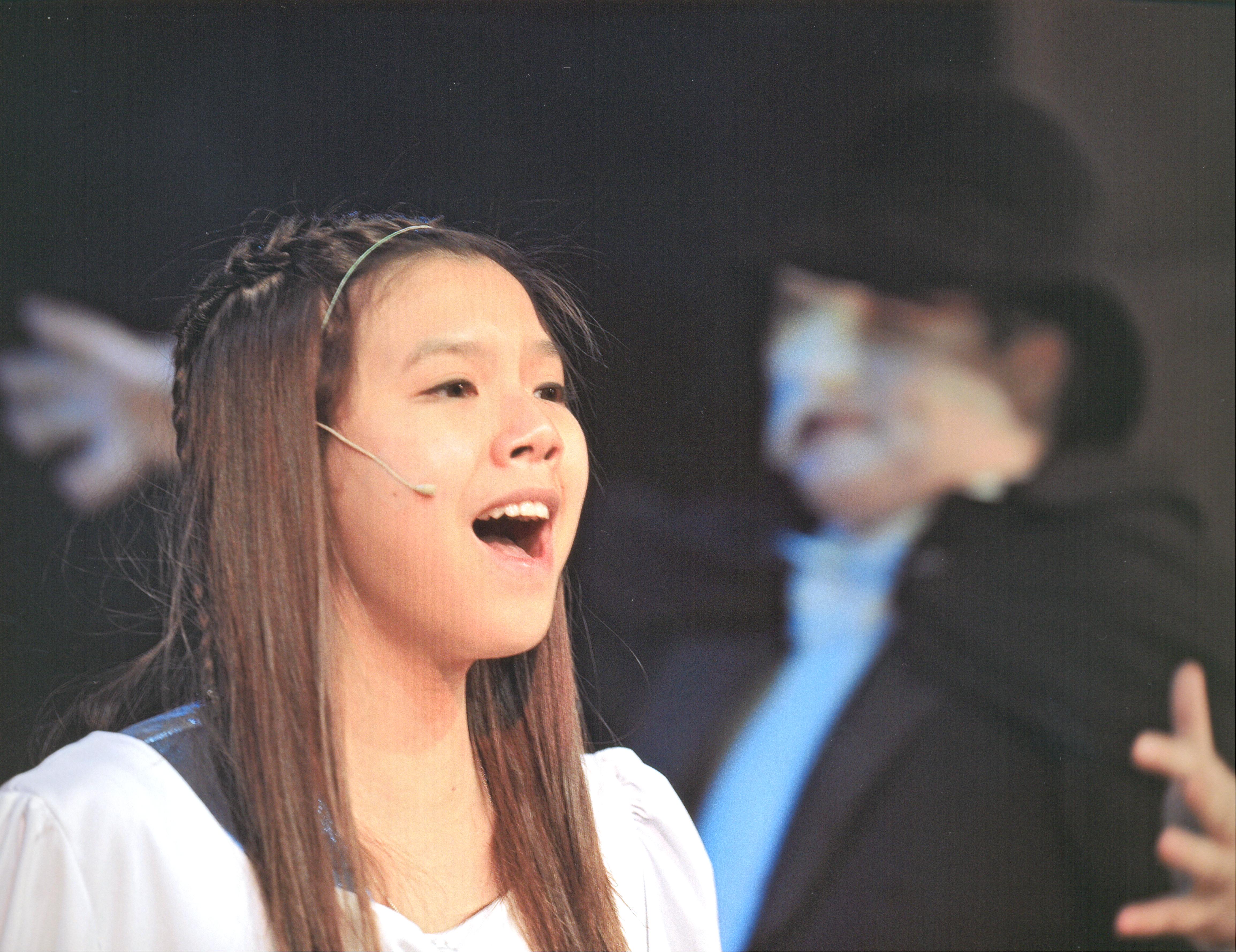
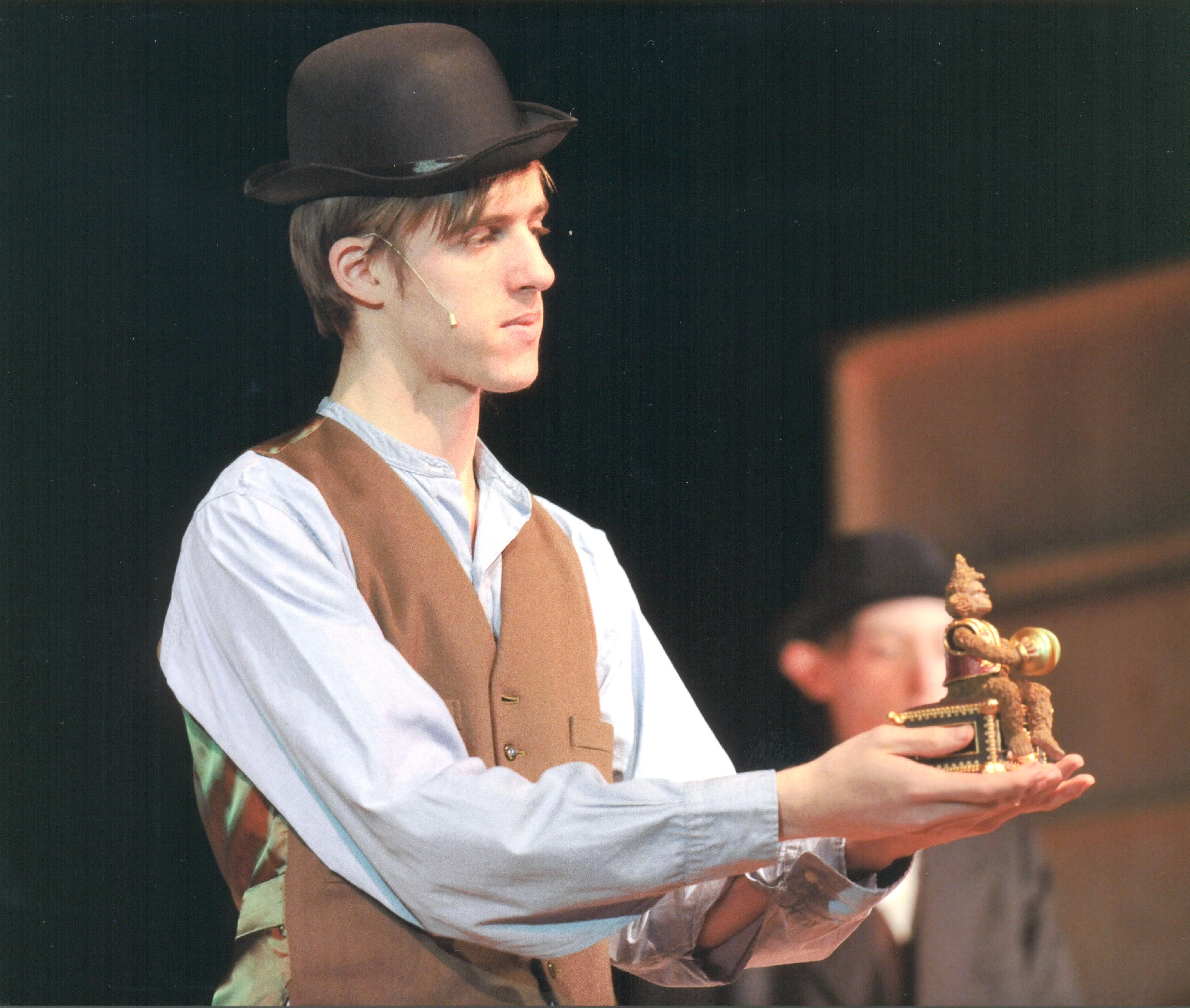
Why, why these nightmares? After all, the job of a stage director consists of making sure that the actors speak their lines audibly and do not bump into each other, and Manwoods students, in general, have both the confidence and the native wit to manage this unaided. They are also able to sing, dance, look pretty and bring off performances which are convincing and indeed moving. Audiences have always been engaged to the full. They clapped and cheered as the specially imported arterial stage blood spurted during Sweeney Todd, and – certainly a highlight of the production for me – a lady had a full blown panic attack and fled the auditorium as an evil Gestapo agent officer slammed (and indeed broke) a crash door next to her ear during The Sound of Music. We have all you need to bring a production to life. We have rigorously drilled stage crew to propel the actors onto the stage at the right time, spectacle-wearing technophiles able to push buttons on the lighting desk and dextrous yet sensitive musicians to populate the orchestra-pit. We have the talent, we have the expertise, we have the motivation, we have the teamwork; so whence all the anguish ?
In the dark recesses of my mind there always lurks a fictitious French existentialist philosopher who in one single epigram has expressed exactly what it is that has always troubled me about the human condition. Les choses sont contre nous (Things are against us). What are these “things”? you may well ask. Well, in the case of The Phantom of the Opera there were quite a lot of “things”: the corpse of a hanged man who drops into the middle of a rehearsal, a magic mirror in which the Phantom appears and into which the leading lady walks and vanishes, a boat in which the entranced leading lady is transported across a lake to the Phantom’s underground lair, staircases and gantries which constantly shift position, an armchair which permits its occupant, the Phantom, to disappear at the end of the play and - health and safety hazard par excellence - a crystal-glass chandelier which swings crashing to the stage to conclude the end of the first half.
Hence my misapprehension. The Manwoods stage is shallow and it has no wing space to store scenery. Even arranging for a large cast to enter and exit the stage swiftly is as stressful as evacuating a stricken jumbo-jet. Its site-lines are not friendly to anyone. Audiences arrive, knowing and loving not only the music but also the lavish visual effects of West End productions. Fortunately – and this I start to remind myself constantly – stagecraft is a conjuring trick. The collective eye of the audience has to be directed to precisely the place where we want it to go and to nowhere else. By the well thought out arrangement of bodies within space and by engaging and intelligent acting – not to mention the by the judicious use of the smoke-machine, – any audience can be seduced into believing in the reality and in the truth of what is presented on stage. Faith – I repeated as a mantra – can move mountains.
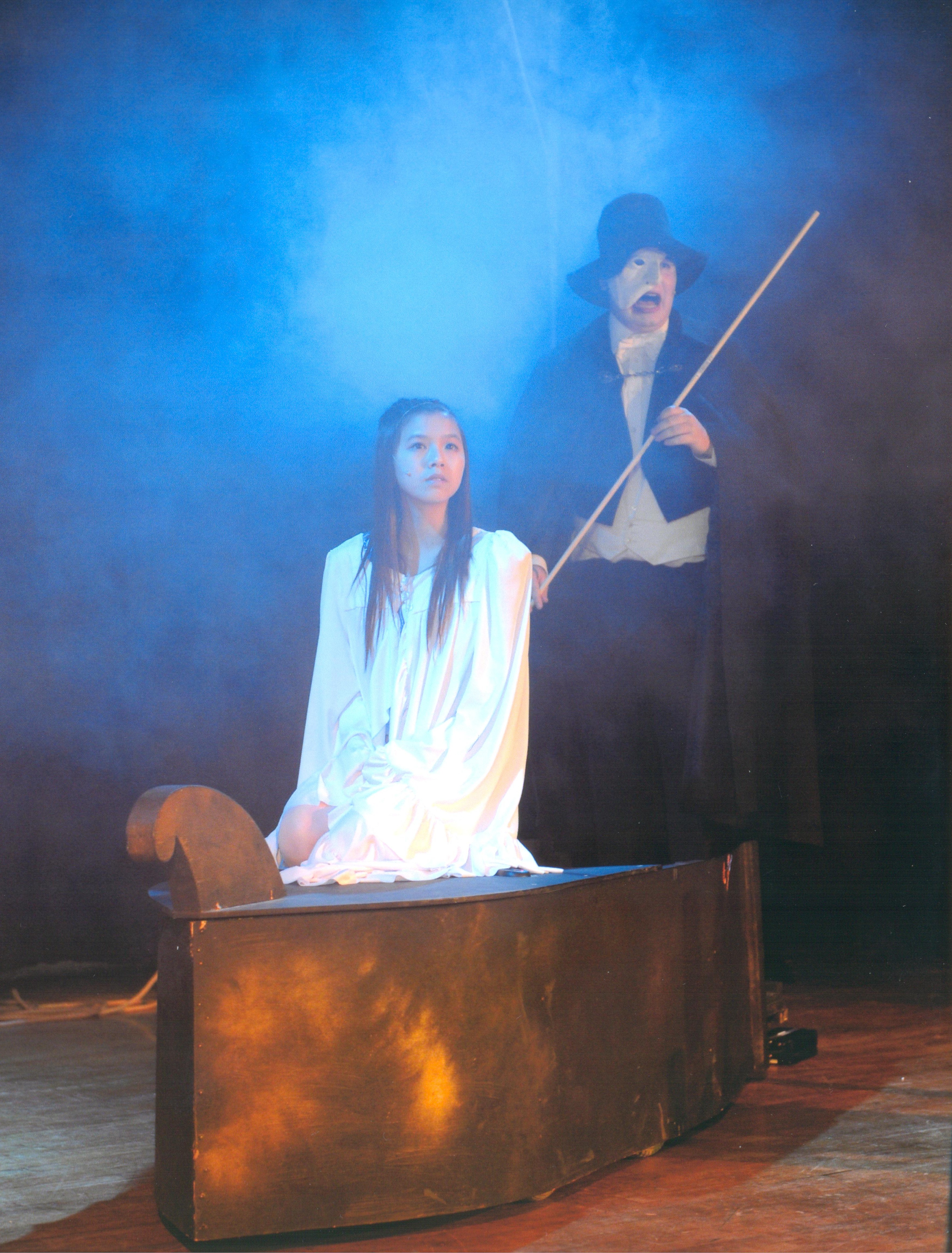
And it did. After the first successful dress rehearsal – the second one – my pulse slowed and my blood-pressure dropped, as that huge rocky massif which had filled my mind for so long flattened itself and sank into non-existence. The musical director, the producer and I breathed a collegial sigh of relief. The stage machinery which we had hired in for the occasion had all worked for the first time. The hanged man had dangled from the roof beam jerking realistically. The boat, a converted electric wheelchair controlled by a joystick, had looked eerily magnificent as it carried the Phantom and Christine – backlit in shades of blue - through the swirling clouds of artificial mist. And the chandelier, actually constructed from fairy lights and plywood had fallen to the stage with a resounding and terrifying crash.
From that point onwards I spent each performance sat at the back of the auditorium in a euphoric haze, full of gratitude and admiration for the cast, crew, and orchestra, enjoying every nuance of the performances, the restlessness and the heartache all forgotten. Next year’s performance of Little Shop of Horrors is now visible as a distant prospect, not yet faintly terrifying. Whatever horrors it might have in store, we will deal with them.
Tim Holden